How to Fix a Patchy Lawn Without Re-Turfing
Every February I get the same email. Subject line: “Cal, my lawn is patchy, what kit do I buy?” Usually from someone who’s just come back from a Mitre 10 or Bunnings with a bag of “lawn patch repair” mix, scattered it on a yellow patch, watered it for two weeks, and seen exactly nothing happen. Bad news: those kits with the green dye and the seed and the mulch all mixed together are a US product designed for US lawns. American lawns are cool-season grasses — tall fescue, Kentucky bluegrass, ryegrass. They grow from seed, germinate fast, and a patch kit makes sense. Aussie lawns are mostly warm-season grasses: couch, kikuyu and buffalo. Couch and kikuyu repair from runners if you give them four weeks of correct watering. Buffalo doesnt seed at all because it’s sterile by cultivar design. So a US seed mix sprinkled on a Sir Walter patch does literally nothing. Quick yarn, here’s what actually works.
What you’ll need
- A garden fork for aeration
- A sharp lawn edger or half-moon edger
- Bag of lawn topdressing — Brunnings or Searles 30L from Bunnings, or washed river sand from a landscape yard
- Fertiliser — Sir Walter Lawn Food, Scotts Lawn Builder, or Munns Professional
- Wetting agent — Eco Wetta Soil or Seasol Super Soil Wetter
- For couch or kikuyu repair: nothing else, the grass does the work
- For buffalo repair: a 30x30cm runner cut from a healthy part of the lawn, or a single roll from a turf supplier
- Sprinkler on a timer (Holman or Hunter from Bunnings) or manual sprinkler plus a watch
Step 1: Identify your grass
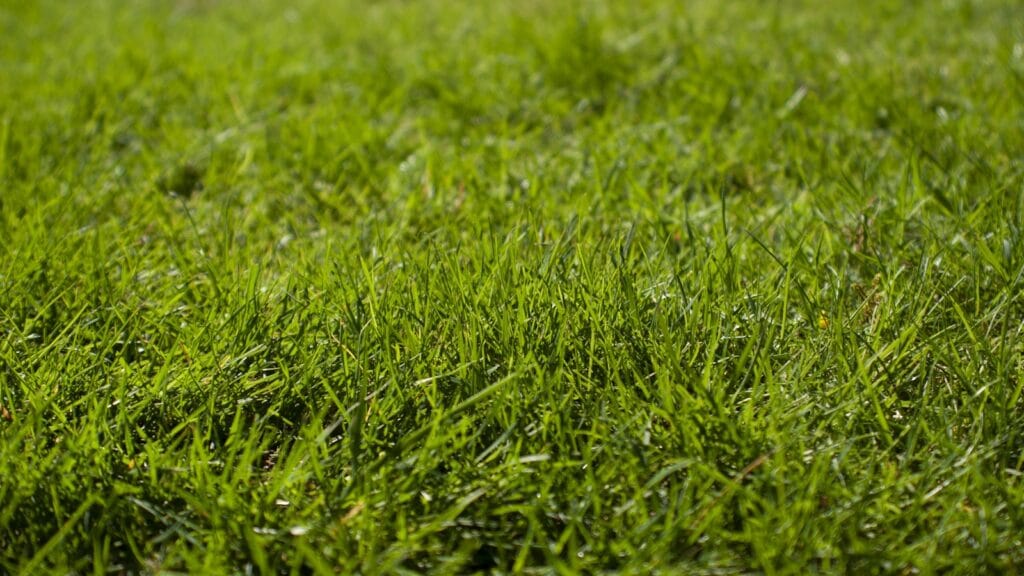
Buffalo: broad flat blade, soft underfoot, runs along the surface. Couch: fine narrow blade, dense, goes brown in winter in cool zones. Kikuyu: medium blade, aggressive runners, often hated by neighbours because it crawls into garden beds. If you dont know which one you’ve got, pull up a runner. Buffalo runners are thick and woody. Kikuyu runners are long, pale and explorer-style. Couch runners are fine and dense. Most Perth lawns are couch or kikuyu; eastern-states inner suburbs are increasingly buffalo (Sir Walter, Palmetto, Sapphire).
Step 2: Diagnose why the patch is bare
Don’t repair until you know why. Possibilities include dog wee (yellow ring with green centre), grub damage (lifts off in a sheet with no roots), compaction (kids’ trampoline, foot traffic, vehicle parking), too much shade (under a tree), or hydrophobic soil (water beads off). The fix differs:
- Dog wee: flush heavily with water for three days, then proceed
- Grubs: treat with Searles Dead Grub Pro before re-establishing or you’ll lose the new growth too
- Compaction: aerate before topdressing
- Shade: nothing will fix this except cutting back the tree, accepting mulch under it, or switching to shade-tolerant Palmetto or Sapphire buffalo
- Hydrophobic: the wetting agent does 80 percent of the work
Step 3: Aerate the patch and the surrounds
Push the garden fork in 100mm deep, every 100mm, across the patch and 300mm into the healthy grass around it. The runners need somewhere to go. Hard compacted soil rejects the runners and they grow OVER the patch instead of THROUGH it. If you’ve got a hose-fed coring aerator and a big patch, even better — but a fork on its own does the job for small areas.
Step 4: Topdress with a thin sandy soil layer
5mm only. Brunnings Lawn Topdressing or pure washed river sand from a landscape yard. Brush it in with a stiff broom so the existing grass blades stick up through the topdress — never bury healthy grass with topdress, it’ll suffocate and die. The point is to fill the low spot and give the runners a clean medium to grow into. If you bury the lawn under 30mm of soil thinking “more is better”, you’ll kill the lawn you’ve still got.
Step 5: Apply wetting agent
Aussie summer soils, especially Perth sand and inner-west Sydney sand, go hydrophobic. Water beads off and the runners die of thirst even when you think youve watered well. Mix Seasol Super Soil Wetter or Eco Wetta into a watering can per the bottle directions and soak the patch plus 500mm around it. This is the single biggest fix — most “dead patches” are actually just dry patches with hydrophobic soil rejecting the water. Out west the wind takes care of evaporation pretty quickly too, so wetting agents matter more here than almost anywhere else in the country.
Step 6: Fertilise lightly
A half-handful of Sir Walter Lawn Food (works on all warm-season grasses despite the name) per square metre. Water it in. Don’t overdo it. Fertiliser burn looks identical to the bare patch you just tried to fix, and youll be back to square one with an angrier lawn. If your lawn is buffalo, Munns Professional buffalo blend is the cleaner option — buffalo doesnt love high-phosphorus mixes.
Step 7: For couch and kikuyu — water and wait
Water deeply: 15 minutes morning plus 5 minutes evening for the first week, then taper to morning-only by week three. The runners will throw new shoots into your topdressed patch from the surrounding healthy lawn. By week four you’ll see green fingers reaching into the bare area. By week eight the patch will be filled. Don’t mow the patch for the first three weeks — let the runners get established before you stress them with a mower. Make sure your mower blade is sharp before the first cut over the recovery zone, because a blunt blade rips young runners straight out.
Step 8: For buffalo — transplant a runner or buy a roll
Here’s the Aussie gotcha that catches every buffalo owner. Buffalo doesn’t seed. Sir Walter, Palmetto, Sapphire — all sterile cultivars by design, which is why they don’t invade your garden beds like kikuyu does. You cannot fix a buffalo patch with seed. Two options:
- Free option: Cut a 30x30cm square from a healthy thick part of your lawn — a back corner under the kids’ trampoline or behind the shed works fine. Drop it into the bare patch, water heavily. The donor patch fills back in within a month.
- Bought option: Most turf suppliers (Lilydale Instant Turf, AAA Turf, Daleys Turf, your local equivalent) sell single rolls for $12-15. Cut to fit, lay, water, done.
Step 9: Mow high during recovery
Set the mower to its highest setting — 50mm or higher — for the next two months. Tall grass shades the soil, retains moisture, and lets runners spread without stress. This alone visibly fixes a “patchy” lawn that isnt actually dead. Most patches are just stressed by a too-low mow. Service the mower while you’re at it — see our petrol mower service guide for the routine. A properly-serviced mower at the right height matters as much as the topdress.
Step 10: Mark the calendar for next October
Repair window in WA/QLD/NT is September to April. In VIC/TAS/southern NSW its October to March. Outside that window the soil’s too cold and the runners go dormant — youre wasting effort. If your patch appears in May, mark it for October repair, and put down some mulch (Whoflungdung from Bunnings, or pine bark from a yard) to keep the area tidy in the meantime.
When to call a tradie or pro
Most lawn patch repairs are weekend DIY jobs. Times to bring in a lawn-care pro: full-lawn renovation (40 percent or more of the lawn is patchy) is genuinely a project — a turf-installer will rotary-hoe, level, and lay new turf in a day, and the result is years better than DIY-patching every dead spot. Persistent grub damage with re-treatment failing — call a licensed pest tech, who can apply restricted-use grub products homeowners cant buy. Drainage issues where the lawn is wet for weeks after rain — that’s a landscaper-with-excavator job, not a homeowner with a fork. Buffalo turf rolls themselves can be DIY-laid easily; large areas often benefit from a turf-installer doing the prep.
Common screw-ups
- Buying a US-style seed patch kit for buffalo: buffalo is sterile, the seed does nothing. Runners or rolls only.
- Burying healthy grass under thick topdress: kills what you had. 5mm maximum, brushed in.
- Daily light sprinkles: creates shallow roots, fungal disease, doesn’t reach the soil profile. Deep and infrequent always.
- Skipping the wetting agent on Perth or Sydney sandy soils: water beads off, the patch dies of thirst even when youve “watered”.
- Repairing in winter: warm-season grasses are dormant. Wait for October.
Cost & time
Materials for a 1-2 square metre patch repair: topdressing $15, wetting agent $20, fertiliser $20, single buffalo roll if needed $15. Total $40-70. Time: 30 minutes work, then 4-8 weeks of watering and patience. The lawn does most of the work — you just set the conditions.
Couch and kikuyu fix themselves with water, fertiliser, and four weeks of patience. Buffalo fixes itself with a transplanted runner or a $12 roll. Nobody in Australia needs to buy a US-style patch repair kit for a warm-season lawn — they’re solving a problem we don’t have. Identify the grass, diagnose the cause, water deeply not often, and let the lawn do the work. While the recovery patch is settling, sharpen the mower (our blade sharpening guide covers Victa swing-back blades), service the engine (petrol mower service), and youll have a noticeably better lawn by Christmas. Beauty.