The Aussie First-Home-Buyer Move-In Guide
By the I Do It Yourself team — Mick (lead), Priya, Ash and Jen.
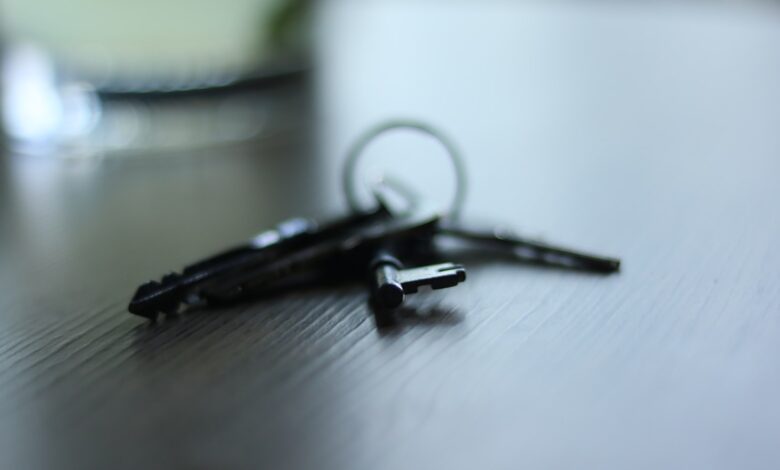
You’ve got the keys. Settlement cleared this morning, the agent handed over a manila envelope with three sets of keys and a remote that may or may not work, and now you’re standing in an empty hallway smelling someone else’s life. This guide is for the first-home buyer who wants the place safe, clean and liveable inside the first 30 days — without burning $10,000 on tradies for things you can absolutely do yourself.
Realistic budget for first-month spend is $800 to $3,000 depending on how rough the previous owner left it and how much furniture you’re bringing across. Timeline is your first 30 days from settlement. The first weekend is the heavy lift — locks, clean, safety. The next three weekends are quick fixes and decoration. We’ve moved enough first-homers in over the years to know the order matters: do it backwards and you’ll be patching plaster behind a couch you’ve already wedged into the corner.
What you’re getting into
Most Aussie first homes — whether it’s a 1970s brick veneer in Newcastle, a 90s townhouse in Mernda or a 2010 apartment in Bowen Hills — land in the same condition at handover: cleaned to the contract minimum, not to your standard. The previous owner’s cleaner spent two hours on the place. You’re going to spend two days. Expect grime in the oven, hair in the shower drain, dust on top of every architrave, and at least one tap that drips.
The DIY-vs-licensed-trade boundary on a move-in is sharp and worth knowing before you start. You can change locks, clean anything, patch small holes, replace tap washers and cartridges, swap light globes (including LED retrofits in existing fittings), hang things, fix sticking doors and adjust hinges. You cannot rewire anything, install new powerpoints, replace hardwired smoke alarms (the 240V ones with battery backup must be done by a licensed electrician under AS 3786), move plumbing behind walls, or touch the gas. Anywhere we mention “get the sparky” or “get the plumber” in this guide, we mean it — not because we’re cautious, because the Electrical Safety Act and the Plumbing Code of Australia are not negotiable.
One more thing before we start: do not move furniture in until the deep clean is done. Every first-homer makes this mistake. You’ll thank us in phase 3.
Tools and budget
- Cordless drill + driver bits — $150–$300 (Ozito, Ryobi One+, or step up to Makita LXT if you’ll keep using it)
- Stud finder — $40–$80 (Stanley FatMax or Bosch GMS 120)
- Spirit level (600mm) — $25
- Tape measure (8m), pencil, utility knife — $30 all up
- Multi-bit screwdriver, adjustable shifter, pliers — $60
- Lock change kit or full Lockwood/Whitco re-key — $200–$600 depending on how many doors
- Cleaning supplies (Sugar Soap, white vinegar, bicarb, microfibres, mop, bucket, gloves, Koh, Gumption) — $80–$120
- Smoke alarm batteries (9V lithium) + CO alarm if there’s gas — $60
- Shelf liner, drawer organisers, hooks — $80–$150
- Paint touch-up kit (if you’re not repainting yet) — $60
- First-aid kit + fire blanket + extinguisher (Bunnings) — $100
- Total starter spend: $900–$1,500 before any furniture or decor
Phase 1: Pre-settlement walk-through
Mick: The pre-settlement inspection is the most undervalued 30 minutes in the whole purchase. You get one shot, usually the day before settlement, to walk through the empty house and check it matches the contract. Bring a torch, your phone (camera + spirit level app), a notepad, and your conveyancer’s number on speed dial. I tell every first-homer the same thing — turn every tap on, flush every toilet, open every window, test every powerpoint with a tester, and check every smoke alarm has a working battery.
What you’re looking for: anything that’s changed since the building inspection, anything the vendor was supposed to fix and didn’t, and anything they took with them that was supposed to stay (the fixed dishwasher, the curtains, the TV bracket). Photograph everything. If something’s wrong, your conveyancer can hold funds at settlement — but only if you raise it before keys change hands. After that, you own the problem.
Walk the roof line from the street, look up into the manhole if you can reach it, check the meter box for the safety switch (RCD), and find the water mains shutoff. You’ll need that one in phase 4 when you’re swapping a tap washer.
Phase 2: Locks, alarms and safety
Mick: First weekend, before you do anything else: change the locks. You have no idea how many spare keys are floating around — the previous owner’s kids, the cleaner, the dog walker, the ex-partner who moved out in 2019. A full re-key by a locksmith is $200–$400 and they’ll do all your external doors in one visit. If your doors run Lockwood 001 or Whitco mortice locks, you can swap the cylinders yourself for about $80 a door from Bunnings. Don’t forget the garage side door and the back gate.
Ash: Smoke alarms are a legal requirement and they vary by state — Queensland’s interconnected photoelectric rule (QFES) is the strictest, NSW and Vic want one in every bedroom and hallway, WA and SA are catching up. Whatever state you’re in, replace every battery on day one and write the install date on the unit with a Sharpie. If the alarms are 240V hardwired, do not touch them yourself — they’re under AS 3786 and the install needs a licensed sparky. If they’re 9V battery only and older than 10 years (check the date stamped on the back), they’re expired by law and need replacing — that you can do. While you’re at it, test the safety switch in the meter box by pressing the test button. If it doesn’t trip, call a sparky before you plug anything in.
Mick: Round the safety pass off with a fire blanket above the stove, an extinguisher in the laundry or garage, and a small first-aid kit in the kitchen. $100 total at Bunnings and it’s the cheapest insurance in the house.
Phase 3: Deep clean before furniture
Priya: This is the phase first-homers skip and regret. The house is empty. You will never have a better opportunity to clean it. No bed to move, no couch to vacuum behind, no fridge to drag out. Block out a full Saturday and Sunday, get a mate to help, and work top-down, back-to-front. Start in the bedroom furthest from the front door, work your way out, and by Sunday afternoon you’re standing on the front step with the last bag of rubbish.
My order of operations: ceilings and cornices first (cobwebs, fan blades), then walls (Sugar Soap and a microfibre on a pole gets greasy hallway walls clean), then windows inside and out, then kitchen — oven, range hood filter, dishwasher filter, fridge cavity if they left one. Then bathrooms — every bathroom needs a re-silicone assessment, mould check on the grout, drain clear, and a deep scrub. Last, the floors. Mop or vacuum last because everything you cleaned above will rain dust onto them.
Priya: The two products that earn their keep on a move-in clean are Koh Universal Cleaner (genuinely good on grease and soap scum, no fumes) and Gumption (the pink tub) for stove tops, sinks and tile edges. Skip the supermarket “shower cleaners” — they’re mostly perfumed surfactant. White vinegar and bicarb does 80% of bathroom work for $5.
Phase 4: Quick fixes — hinges, screens, taps
Mick: Now the place is clean, walk through with a notepad and list every annoyance. Sticking door, dripping tap, fly screen with a hole, sliding door that sticks halfway, cupboard door that swings open on its own. None of these are big jobs individually — most are 15 to 30 minutes — but if you don’t do them in week 2, you’ll live with them for five years. I’ve been in houses where the owners apologise for a sticking bedroom door they’ve been shouldering open since 2018.
Tomo (over the phone from Brisbane): Dripping taps are almost always a $4 washer or a $30 ceramic cartridge. Turn the water off at the mains, pull the tap apart, take the old part to Bunnings or a Reece counter and match it. Mixer taps are slightly fiddlier but still DIY. The only plumbing job I’d say leave to a licensed plumber on a move-in is anything behind a wall, anything involving the hot water unit, and any gas connection. The Plumbing Code of Australia is clear — water supply work outside the tap itself is licensed-only.
Mick: While you’ve got the toolbox out, hit the cupboard hinges. Every kitchen in Australia built before 2010 has at least three Blum hinges that have drifted out of alignment. Two minutes with a Phillips head and the doors line up like new.
Phase 5: Decorate and personalise
Jen: Now the boring stuff is done, you get the fun part. The mistake I see is people racing into a full repaint on day three, before they’ve even slept in the house. Live in it for two weeks first. You’ll work out where the morning light hits, which room feels too dark, where you actually want the TV. Then paint.
If you are repainting, do the whole room properly — cut in the edges with a 50mm angle sash, two coats of a low-sheen acrylic (Dulux Wash&Wear or Taubmans Endure are both solid), and don’t skip the trim. White trim against a coloured wall is what makes a room look professional. Most first-homers underbudget paint — a 4L tin covers about 16m² in two coats, so a standard 4x4m bedroom needs at least 4L for walls plus 1L for trim. Plan on $250–$400 per room in materials.
Jen: Hang things last. Stud finder, spirit level, and the right fixing for the wall — plasterboard takes anchors, brick veneer takes plugs, double-brick takes a hammer drill and a masonry bit. A heavy mirror on plasterboard with a cheap adhesive hook will end in tears at 3am. We’ve all heard that crash.
The team’s verdict
If we were running a first-home move-in tomorrow, we’d block out four weekends back-to-back and treat it like a project. Weekend one: locks, alarms, safety. Weekend two: deep clean, end-to-end, empty house. Weekend three: every quick fix on the snag list — taps, doors, screens, hinges. Weekend four: paint the room you’ll spend most time in (usually the lounge or main bedroom) and hang the things that make it feel like home. That’s the sequence. Doing it in any other order means you’re moving furniture twice, cleaning around your own boxes, or living with a sticking door for a year.
Spend the money on the things that compound — a re-key you only do once, a deep clean that stays clean for months if you’re tidy, smoke alarm batteries that save your life. Don’t blow the budget on furniture in week one. The IKEA wardrobe and the new couch can wait until you actually know how the place lives. The first month is about making the house yours and safe, not about making it Pinterest.
FAQs
Do I have to change the locks? Legally no, practically yes. Insurance won’t usually pay out for a “no forced entry” claim and you have no idea how many keys are out there. $300 with a locksmith, done in an hour.
Can I replace the smoke alarms myself? Battery-only units yes — $30 from Bunnings, two screws and you’re done. Hardwired 240V units no — that’s a licensed electrician under AS 3786, and most states require interconnection now too.
How much should I budget for the first month total? $800 floor (clean, locks, safety basics, a few tools), $3,000 ceiling if you’re repainting a room, replacing a few light fittings via a sparky, and stocking the kitchen properly. Furniture is separate.
Should I get a building inspection again at handover? You already had one before contract. The pre-settlement walk-through is the second look — it’s not a re-inspection, it’s a “is this still in the same condition” check. Take the original report with you and tick through it.
What’s the one job people skip that they shouldn’t? Cleaning the rangehood filter and the dishwasher filter. Both are five-minute jobs in an empty kitchen. Both are miserable jobs once the kitchen is full of food and dishes. Do them on clean weekend.
Got a project we should write a guide for? Tell us.